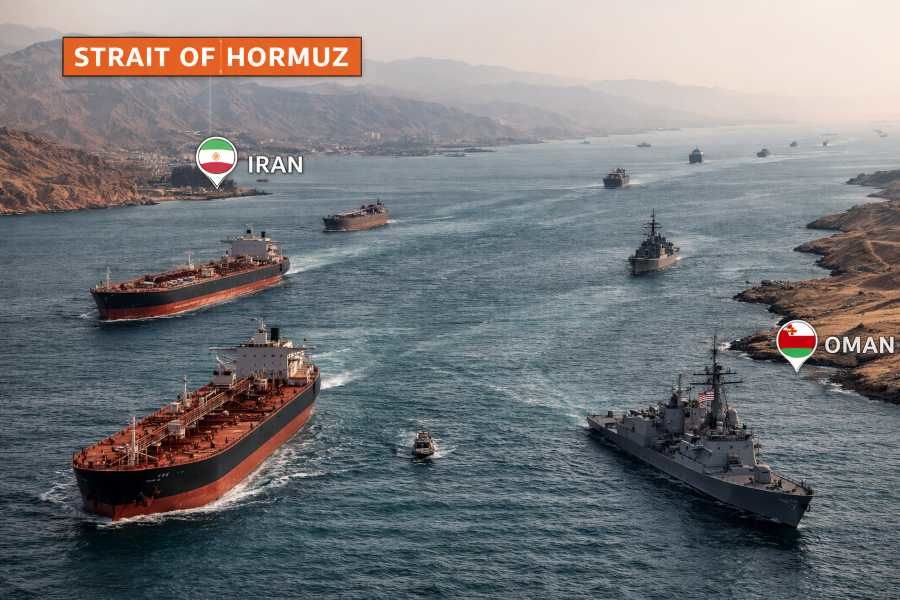
Sekolapedia – 18 July 2026 | A volatile standoff in the Middle East has reached a breaking point as the United States and iran exchanged a series of intense military strikes over the weekend. The conflict, which has persisted for over four months, has seen a total collapse of interim ceasefire efforts, leaving the region on the precipice of a wider war. At the heart of the tension lies the strategic Strait of Hormuz, an essential maritime chokepoint that historically facilitates the transport of one-fifth of the world’s crude oil supply.
U.S. Central Command confirmed that its seventh consecutive night of operations targeted critical assets, including surveillance sites, military logistics infrastructure, underground weapons storage, and maritime capabilities. These actions come as part of a broader strategy to counter the actions of iran, which effectively shuttered the strait to shipping traffic shortly after the conflict commenced on February 28. Tehran has insisted that the waterway falls under its exclusive jurisdiction and that passing vessels are subject to fees, a claim rejected by the international community.
The physical toll of the fighting was starkly evident on Saturday, particularly in Kuwait. Authorities reported that strikes from iran hit a water desalination plant and an oil facility, resulting in multiple injuries and significant infrastructure damage. The impact on the desalination plant was particularly severe, forcing power generation units offline in a nation that relies heavily on such facilities for 90 percent of its drinking water. Across the region, air defense systems were activated in several nations, including Saudi Arabia, Bahrain, and Jordan, as the conflict expanded beyond direct U.S.-iran engagements.
In response to the intensifying pressure, Tehran has officially suspended its commitments to the interim deal established with the United States just last month. Kazem Gharibabadi, the deputy foreign minister, stated that the U.S. had violated the agreement, rendering the terms void. Meanwhile, President Donald Trump has signaled a hardening stance, warning that the U.S. is prepared to target critical energy infrastructure, including power stations and bridges, to force a diplomatic resolution and reopen the vital shipping lanes.
The economic ramifications of this instability are being felt globally. While oil inventories remain at historical lows, providing a structural floor for crude prices, the uncertainty has sent shockwaves through energy markets. Financial analysts continue to monitor the situation closely, noting that while geopolitical risks pose near-term headwinds for investors, the long-term outlook for energy and precious metals remains complex as nations adjust their strategic reserves and infrastructure resilience in the face of persistent, large-scale hostilities.
As the cycle of retaliation continues, the humanitarian cost is mounting. Iranian authorities report at least 50 fatalities and hundreds of injuries over the past three weeks, while the U.S. military has also confirmed casualties among its ranks. With both sides signaling a readiness to strike infrastructure and no clear diplomatic path forward, the global community remains braced for further economic and security disruptions in the coming weeks.








Post Comment