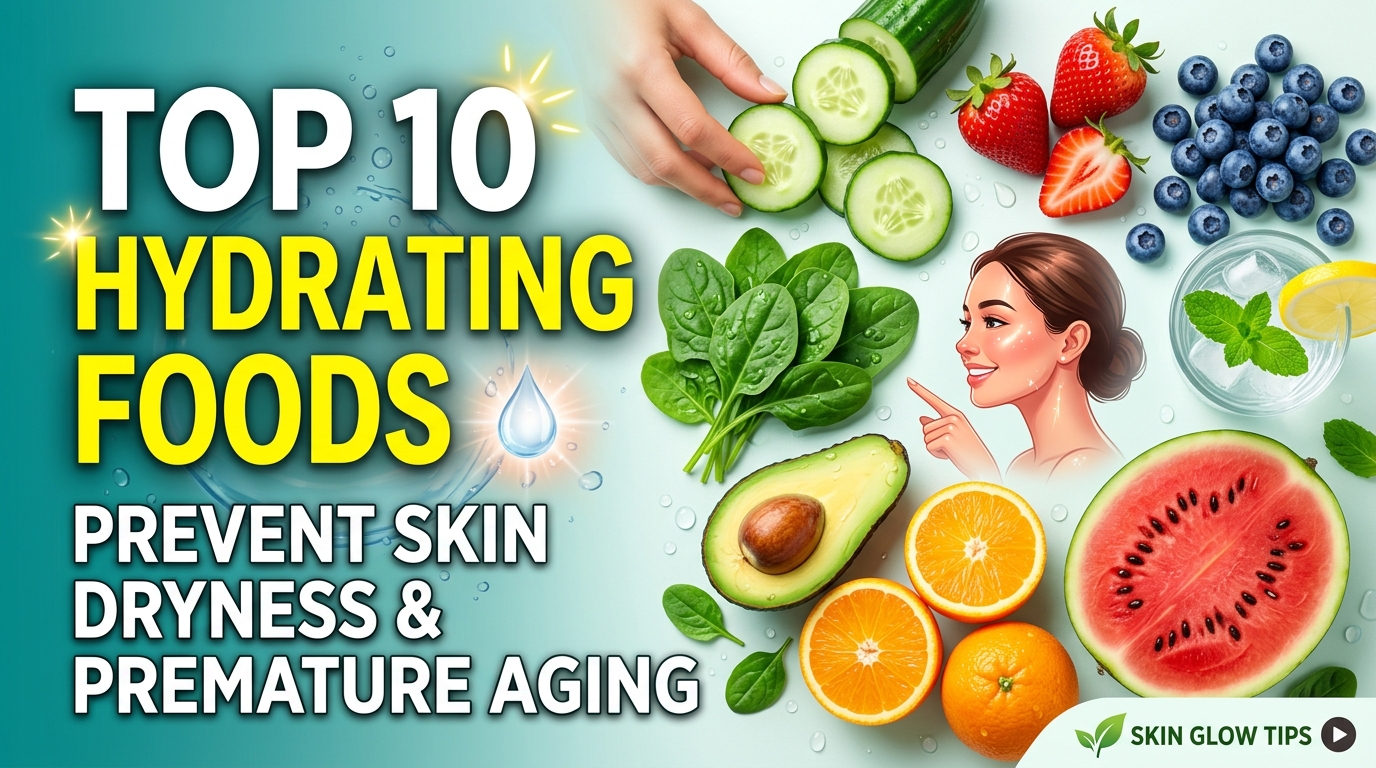
Healthy-looking skin depends on more than skincare products. Nutrition and hydration also play important roles in maintaining normal skin function. While no food can completely prevent dry skin or stop the natural aging process, eating water-rich foods can contribute to daily fluid intake while providing vitamins, minerals, antioxidants, and other nutrients.
Skin naturally changes with age. Factors such as genetics, environmental exposure, weather, sun exposure, lifestyle, and overall health can influence its appearance and ability to retain moisture. A balanced diet can support the body’s normal processes and help maintain healthy skin.
If you want to increase your intake of hydrating foods, these 10 options are easy to incorporate into everyday meals.
1. Watermelon
Watermelon is one of the most recognizable water-rich fruits. It contains a high proportion of water along with vitamin C, potassium, and plant compounds such as lycopene.
Its refreshing flavor makes watermelon an easy choice during hot weather or after physical activity.
Enjoy it fresh as a snack, add it to a fruit salad, or combine it with other nutrient-rich ingredients. Whole watermelon is generally more filling than drinking watermelon juice because the whole fruit provides fiber.
2. Cucumber
Cucumbers contain a high amount of water and are a simple addition to meals.
They can be sliced into salads, added to sandwiches, served with hummus, or infused into water for extra flavor.
Cucumbers also provide vitamin K and other nutrients. Although eating cucumber does not directly moisturize the skin from the outside, its water content contributes to overall dietary fluid intake.
Pair cucumbers with protein-rich foods and healthy fats to create a more balanced snack.
3. Oranges
Oranges provide water, vitamin C, fiber, and several other nutrients.
Vitamin C is particularly relevant to skin health because it contributes to normal collagen formation. Collagen is an important structural protein found throughout the body, including connective tissues in the skin.
Eating whole oranges also provides fiber that is reduced or absent in many fruit juices.
Other citrus fruits can provide vitamin C as well, although people who experience acid reflux may prefer less acidic options.
4. Strawberries
Strawberries contain substantial water along with vitamin C, fiber, and various plant compounds.
Their natural sweetness makes them useful for replacing some highly processed desserts.
Add strawberries to oatmeal, plain yogurt, smoothies, or salads. Frozen strawberries without added sugar can also be a convenient option.
Rather than focusing on strawberries as an anti-aging treatment, consider them one part of a varied diet that provides nutrients supporting normal skin and whole-body health.
5. Tomatoes
Tomatoes contain water, vitamin C, potassium, and carotenoids such as lycopene.
They can be eaten raw in salads or cooked into soups, sauces, and other dishes.
Lycopene and other tomato compounds have been studied for their antioxidant properties. However, eating tomatoes should not be considered a replacement for sun protection or other evidence-based approaches to maintaining skin health.
Try combining tomatoes with leafy greens, legumes, whole grains, or a healthy fat such as olive oil.
6. Lettuce and Leafy Greens
Many leafy vegetables contain significant amounts of water while also providing vitamins, minerals, fiber, and plant compounds.
Lettuce, spinach, and other greens can add volume and hydration to meals without requiring many calories.
Create a colorful salad with leafy greens, cucumber, tomatoes, carrots, beans, and a source of healthy fat.
Eating different types of vegetables throughout the week is more beneficial than relying on one specific “superfood.”
7. Celery
Celery is another water-rich vegetable that can be enjoyed raw or cooked.
It provides fiber and small amounts of several vitamins and minerals. Its crisp texture makes it useful as a snack when paired with hummus, yogurt-based dips, or nut butter.
Celery can also be added to soups, salads, and stir-fries.
As with other vegetables, its contribution to hydration is part of the bigger picture of daily fluid intake.
8. Cantaloupe
Cantaloupe is a refreshing fruit containing plenty of water along with vitamins and minerals.
It provides vitamin C and beta-carotene, which the body can convert to vitamin A. Vitamin A contributes to normal maintenance of skin and other tissues.
Enjoy cantaloupe on its own, combine it with berries, or add it to a breakfast bowl.
Fresh fruit can be particularly useful when you want something hydrating and naturally sweet.
9. Peaches
Peaches contain water, fiber, vitamins, and plant compounds.
Their soft texture and naturally sweet flavor make them convenient snacks during warmer months.
Eat peaches whole rather than relying primarily on sweetened canned fruit products. If using canned peaches, choose options packed in water or with minimal added sugar.
Other stone fruits, such as nectarines and plums, can also contribute to a varied fruit intake.
10. Yogurt
Plain yogurt contains water along with protein, calcium, and other nutrients. It can therefore contribute to hydration while also providing nutritional value beyond fluids.
Yogurt can be combined with water-rich fruits such as strawberries, peaches, or melon to create a balanced snack.
Choose plain or lightly sweetened varieties when possible. For people who do not consume dairy, fortified plant-based yogurt can be an alternative depending on its nutritional profile.
Why Hydration Matters for Skin
Water is essential for virtually every system in the body. The skin acts as an important barrier, helping regulate water loss and protecting underlying tissues.
When the body does not receive enough fluid, dehydration can affect normal physical function. However, drinking more water than your body needs does not automatically eliminate dry skin.
Skin dryness can have many causes, including weather, low humidity, hot showers, harsh cleansers, certain medications, and underlying skin conditions.
Nutrition is therefore only one component of skin care.
Foods That Support Collagen Production
Hydrating foods can be particularly valuable when they also provide nutrients associated with skin structure.
Vitamin C-rich foods such as oranges, strawberries, tomatoes, and bell peppers contribute to normal collagen formation.
Protein-rich foods provide amino acids needed to build proteins throughout the body.
Other nutrients, including zinc, copper, vitamin A, and vitamin E, also play roles in normal skin and tissue function.
A varied diet makes it easier to obtain these nutrients without depending on a single food.
Can Hydrating Foods Prevent Premature Aging?
No food can completely prevent premature skin aging.
The visible effects of aging are influenced by genetics, natural biological changes, environmental exposure, and lifestyle factors.
One of the most important environmental factors affecting skin aging is ultraviolet radiation from the sun. Regular sun protection is therefore an important part of maintaining skin health.
Eating colorful fruits and vegetables can complement these habits by providing vitamins and antioxidant plant compounds.
Hydration Is More Than Food
Water-rich foods contribute to daily fluid intake, but beverages remain another important source.
Water is a simple choice for staying hydrated. Unsweetened beverages can also contribute to fluid intake.
Individual fluid needs vary according to factors such as body size, activity, temperature, diet, and health status.
There is no need to force excessive amounts of water simply to improve skin appearance.
Tips for a Skin-Friendly Diet
Building a skin-supporting diet does not require complicated meal plans.
Try including fruits or vegetables in every meal. Choose a variety of colors to increase the range of nutrients and plant compounds you consume.
Include adequate protein from foods such as eggs, fish, poultry, dairy products, beans, lentils, tofu, nuts, or seeds.
Choose healthy fats from foods such as avocado, nuts, seeds, and olive oil.
At the same time, limit excessive consumption of highly processed foods and beverages high in added sugar.
Consistency is more important than finding one perfect food.
Simple Hydrating Snack Ideas
For an easy snack, combine cucumber slices with hummus or strawberries with plain yogurt.
A bowl containing watermelon, cantaloupe, and berries can provide a refreshing combination of water-rich fruits.
For breakfast, add sliced peaches or strawberries to oatmeal or yogurt.
At lunch, create a salad using lettuce, cucumber, tomatoes, and other colorful vegetables.
These simple combinations can make nutritious foods a regular part of your routine.
Final Thoughts
Watermelon, cucumber, oranges, strawberries, tomatoes, leafy greens, celery, cantaloupe, peaches, and yogurt are all nutritious foods that can contribute to daily hydration.
Many also provide vitamins, minerals, fiber, and plant compounds that support normal skin and whole-body function.
However, no food can guarantee the prevention of dry skin or premature aging. Healthy skin depends on multiple factors, including adequate hydration, balanced nutrition, sun protection, sleep, physical activity, and appropriate skincare.
Instead of searching for a miracle anti-aging food, focus on creating sustainable habits. Eat a wide variety of colorful fruits and vegetables, drink fluids according to your body’s needs, include adequate protein and healthy fats, and protect your skin from excessive sun exposure.
Good nutrition cannot stop the natural aging process, but it can provide your body with the nutrients it needs to maintain healthy skin and overall well-being throughout life.
Penulis: Shofiya M.P





Post Comment