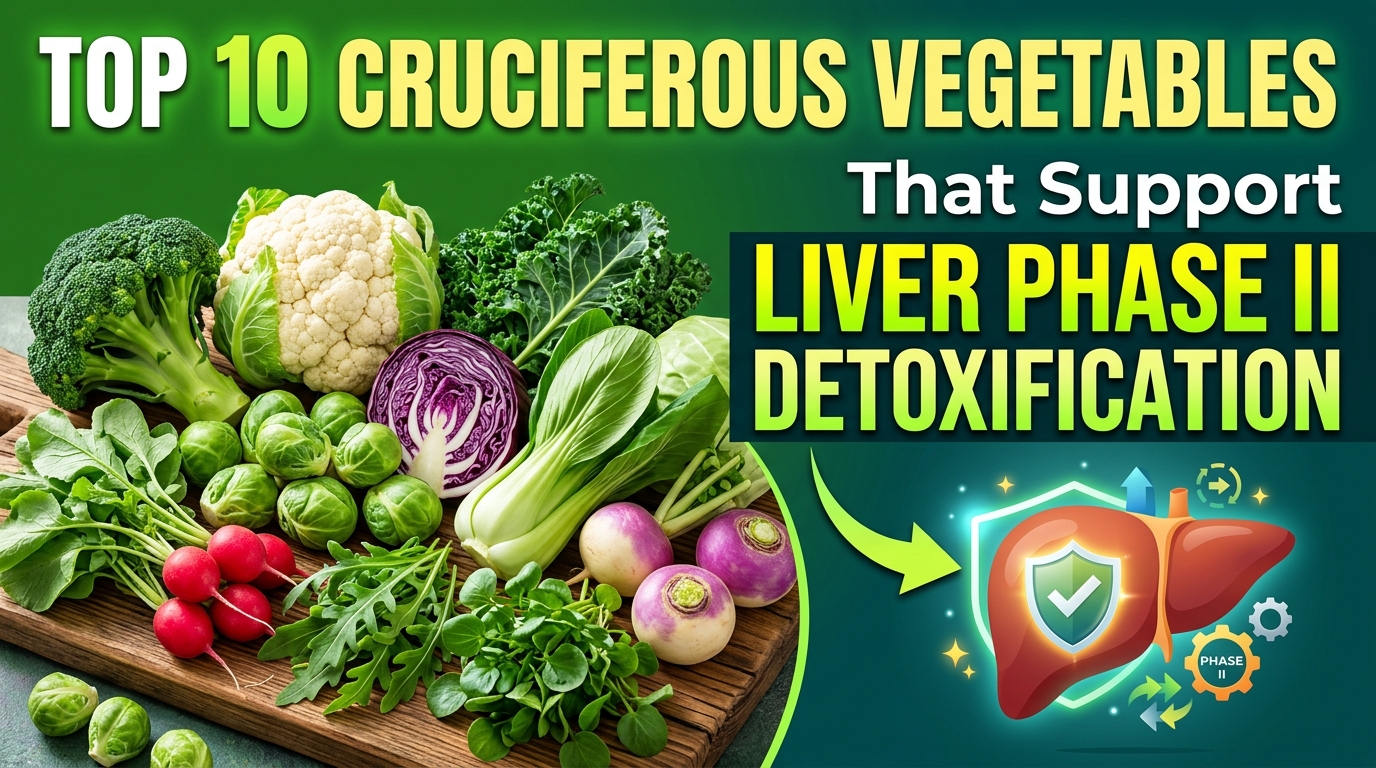
The liver is one of the body’s most important organs for processing nutrients and metabolizing a wide range of compounds. Because of its role in metabolism, many people are interested in foods that may support the liver’s natural detoxification processes. Among the foods often discussed are cruciferous vegetables, a diverse group of plants that includes broccoli, cauliflower, cabbage, kale, and Brussels sprouts.
Cruciferous vegetables contain naturally occurring compounds called glucosinolates. When these compounds are broken down during digestion, they can produce bioactive substances such as sulforaphane and indole compounds. Research has investigated how these compounds may influence antioxidant defenses and enzymes involved in the body’s metabolism of various substances.
It is important to clarify that the liver already performs detoxification naturally. Eating vegetables does not “flush toxins” from the liver or provide an instant cleanse. Instead, a balanced diet containing cruciferous vegetables can provide nutrients and plant compounds that support normal liver function.
Here are 10 cruciferous vegetables worth adding to a balanced diet.
1. Broccoli
Broccoli is one of the most popular cruciferous vegetables and is particularly well known for its glucosinolate content. It also provides dietary fiber, vitamin C, vitamin K, and other nutrients.
Broccoli can be steamed, roasted, stir-fried, or added to soups and salads. Light cooking can make it easier to eat larger portions while preserving much of its nutritional value.
For a simple liver-friendly meal, combine roasted broccoli with chickpeas, brown rice, and a drizzle of extra virgin olive oil.
2. Brussels Sprouts
Brussels sprouts are miniature cabbage-like vegetables that contain glucosinolates and various antioxidant compounds. They are also a source of fiber and several vitamins and minerals.
Roasting Brussels sprouts can bring out their natural sweetness and create a crispy texture. Try seasoning them with garlic, black pepper, lemon juice, and a small amount of olive oil instead of relying on heavy sauces.
Regularly including Brussels sprouts in meals can increase the variety of vegetables in your diet.
3. Kale
Kale is a nutrient-dense leafy green that belongs to the cruciferous vegetable family. It contains vitamins, minerals, fiber, carotenoids, and glucosinolate compounds.
Fresh kale can be used in salads, while cooked kale works well in soups, stir-fries, and grain bowls. If you find raw kale too tough, gently massaging it with lemon juice and olive oil can soften its texture.
Kale can also be blended into smoothies with berries, plain yogurt, and other nutritious ingredients.
4. Cauliflower
Cauliflower is a versatile cruciferous vegetable that can be prepared in many different ways. It provides fiber, vitamin C, and naturally occurring glucosinolate compounds.
Roasted cauliflower can serve as a flavorful side dish, while steamed cauliflower can be incorporated into soups or mashed vegetable dishes.
Cauliflower can also replace some refined ingredients in certain recipes. However, it is best to think of it as one component of a varied diet rather than a special detox food.
5. Red Cabbage
Red cabbage gets its distinctive purple-red color from anthocyanins, plant pigments with antioxidant properties. Like other members of the cabbage family, it also contains glucosinolates.
Thinly sliced red cabbage can add color and crunch to salads, wraps, and grain bowls. It can also be lightly cooked with garlic and other vegetables.
Combining red cabbage with carrots, cucumber, and a simple vinegar-based dressing can create a colorful side dish without excessive sodium or added sugar.
6. Green Cabbage
Green cabbage is an affordable and versatile cruciferous vegetable. It contains fiber, vitamin C, vitamin K, and glucosinolate compounds.
Cabbage can be added to soups, stir-fries, salads, and vegetable-based dishes. It can also be fermented into foods such as sauerkraut, although fermented products may contain substantial amounts of sodium.
When purchasing packaged cabbage products, check nutrition labels and choose options that fit your dietary needs.
7. Bok Choy
Bok choy is a type of Chinese cabbage commonly used in Asian cuisine. It provides fiber, vitamin C, vitamin K, and other nutrients while contributing glucosinolate-containing compounds to the diet.
Bok choy cooks quickly, making it a convenient vegetable for busy meals. It can be lightly stir-fried with garlic and ginger or added to soups and noodle dishes.
Using fresh herbs and spices can create strong flavors without requiring large quantities of salty sauces.
8. Arugula
Arugula is a peppery leafy green that belongs to the cruciferous family. It can be eaten raw or lightly cooked and works especially well in salads.
Its distinctive flavor means that a relatively small amount can add character to a meal. Combine arugula with tomatoes, beans, whole grains, and a simple olive oil and lemon dressing.
Adding different leafy greens to your diet can increase vegetable variety and provide a broader range of plant compounds.
9. Watercress
Watercress is another leafy cruciferous vegetable with a slightly peppery taste. It provides vitamins, minerals, and various plant compounds.
It can be added to salads, sandwiches, soups, and smoothies. Because watercress has a strong flavor, it pairs well with milder ingredients such as cucumber, avocado, or potatoes.
As with other vegetables on this list, watercress should be considered part of an overall nutrient-rich diet rather than a standalone detoxification treatment.
10. Turnips
Turnips are root vegetables from the cruciferous family. Both the roots and their leafy greens can be eaten.
Turnips provide fiber and several micronutrients while containing glucosinolate compounds characteristic of cruciferous vegetables. They can be roasted, boiled, mashed, or added to soups and stews.
Turnip greens can also be cooked similarly to other leafy vegetables, providing another way to increase plant-food variety.
How Cruciferous Vegetables May Support Liver Detoxification
The liver’s detoxification system involves multiple enzyme pathways. Phase I reactions can modify various compounds, while Phase II reactions generally involve conjugation processes that make substances easier for the body to process and eliminate.
Compounds found in cruciferous vegetables have been studied for their ability to influence certain cellular pathways and detoxification-related enzymes. Sulforaphane, for example, has received significant scientific interest because of its relationship with cellular antioxidant and defense mechanisms.
However, this does not mean eating broccoli directly “activates a detox switch” or removes toxins from the body. Human nutrition is complex, and research findings from laboratory or animal studies do not always translate into specific clinical benefits in humans.
The best approach is to consume a variety of vegetables regularly rather than relying on one food.
How to Add More Cruciferous Vegetables to Your Diet
Increasing your intake does not have to be complicated. Add broccoli or cauliflower to lunch and dinner, use kale in salads, or include cabbage in soups and stir-fries.
Try different cooking methods to discover which flavors you prefer. Steaming, roasting, sautéing, and lightly grilling can all produce different textures and tastes.
Pair vegetables with healthy protein sources such as beans, lentils, fish, eggs, or tofu. Whole grains and healthy fats can complete the meal.
If you have digestive sensitivity, gradually increase your intake because large amounts of cruciferous vegetables may cause gas or bloating in some people.
Are Cruciferous Vegetables a Natural Liver Cleanse?
Cruciferous vegetables should not be considered a replacement for medical treatment or a special liver cleanse. The liver and other organs naturally handle metabolic waste and various substances every day.
There is no specific vegetable that can instantly repair liver damage or eliminate accumulated fat. Instead, long-term dietary quality matters.
A balanced eating pattern rich in vegetables, fruits, legumes, whole grains, nuts, seeds, and appropriate protein sources can support overall health. Limiting excessive added sugar and highly processed foods may also be beneficial.
Final Thoughts
Broccoli, Brussels sprouts, kale, cauliflower, red cabbage, green cabbage, bok choy, arugula, watercress, and turnips are excellent examples of cruciferous vegetables that can add variety and nutrients to your diet.
Their glucosinolate compounds have attracted scientific interest because of their potential influence on cellular defense and liver-related metabolic pathways. However, they should not be viewed as miracle detox foods.
For better liver health, focus on the bigger picture: eat a varied diet rich in whole foods, stay physically active, maintain a healthy lifestyle, and follow medical advice when needed. Making cruciferous vegetables a regular part of your meals is a simple, nutritious habit that can contribute to overall wellness and support the body’s natural processes.
Penulis: Shofiya M.P








Post Comment