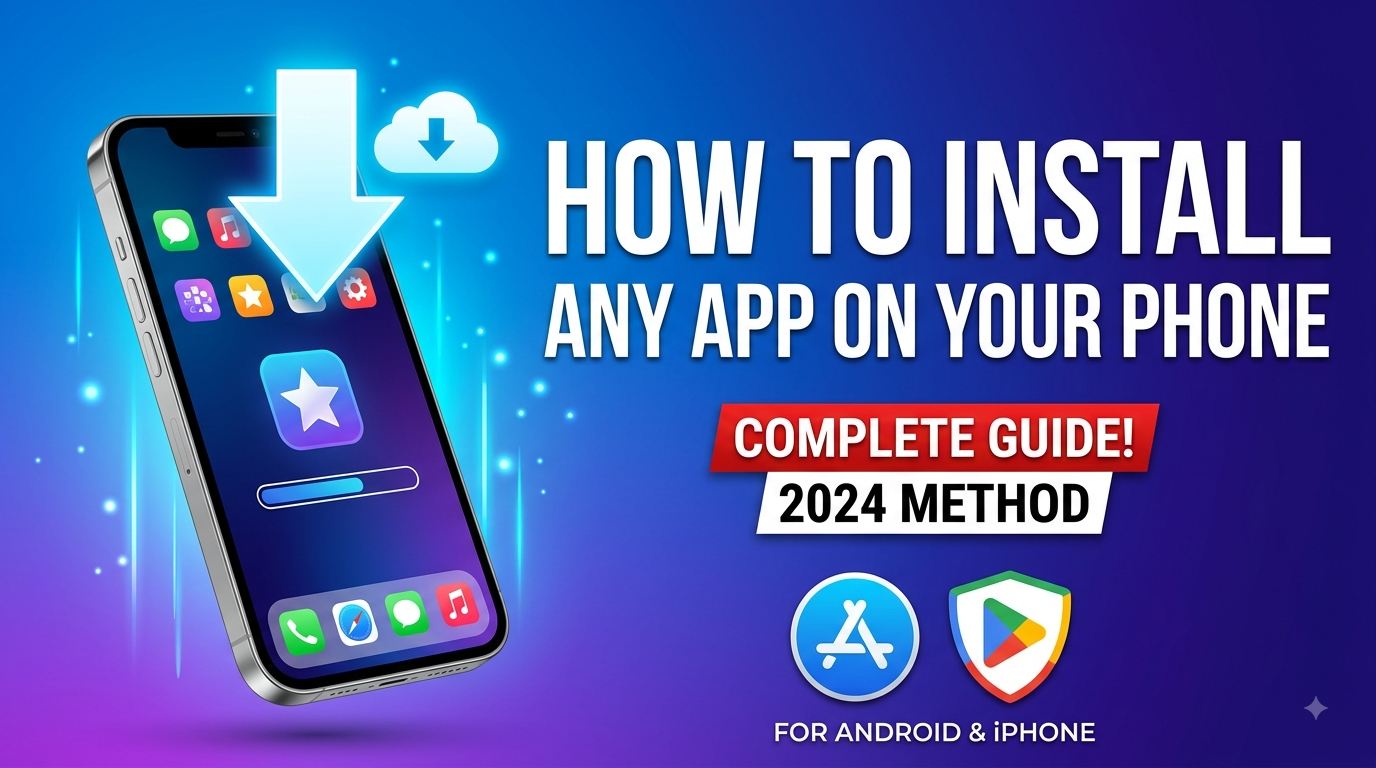
Android smartphones offer unprecedented flexibility, connectivity, and customization. At the core of the Android experience is its vast ecosystem of applications. Whether you want to stream music, manage personal finances, stay connected via social media, or boost your daily productivity, knowing how to find, evaluate, and install apps safely is essential.
This comprehensive guide walks you through every method for downloading and installing applications on your Android device—from using the official Google Play Store to exploring alternative app marketplaces and sideloading APK files.
Prerequisites for Installing Apps on Android
Before downloading any application, complete a quick setup check on your smartphone to ensure a smooth installation process:
-
Active Google Account: To access the Google Play Store, your device must be linked to a active Google (
@gmail.com) account. -
Stable Internet Connection: High-speed Wi-Fi is recommended, especially for large games or productivity suites, to save mobile data and prevent download interruptions.
-
Adequate Storage Space: Check your remaining internal storage by navigating to Settings > Storage. Ensure you have sufficient room for both the app file and its operational data.
-
Updated System Software: Ensure your phone is running a recent Android version (Settings > System > System Update) for optimal app compatibility and security.
Method 1: Downloading Apps via the Google Play Store (Recommended)
The Google Play Store is the default, official marketplace for Android devices. It hosts millions of applications, all regularly scanned for security threats by Google Play Protect.
[Launch Play Store] ➔ [Search App] ➔ [Check Reviews & Permissions] ➔ [Tap Install] ➔ [Open App]
Step 1: Open the Google Play Store
Locate the Google Play Store icon on your home screen or in your App Drawer. The icon features a colorful play button on a white background.
Step 2: Search for the Application
-
Tap the Search Bar at the top of the screen.
-
Enter the full name of the app (e.g., WhatsApp, Spotify, or Duolingo) or type broader keywords like “budget planner” or “offline navigation.”
-
Tap the Search icon (magnifying glass) on your virtual keyboard.
Step 3: Evaluate App Quality and Authenticity
Before clicking download, verify that you are downloading a safe and legitimate application:
-
Developer Name: Look directly beneath the app title to ensure it is published by the official creator.
-
Ratings & Reviews: Apps with ratings above 4.0 stars and a high volume of reviews are generally reliable.
-
Download Count: Major applications usually show millions (or billions) of downloads.
-
Editor’s Choice / Verified Badge: Look for Google’s verification indicators for added peace of mind.
Step 4: Tap “Install”
Once on the app page, tap the green Install button.
Step 5: Grant Permissions and Wait
The Play Store will handle the download and installation automatically. For certain apps requiring specific hardware access (such as the camera or location), you may see a prompt asking for permission. Tap Accept or Allow to proceed.
Step 6: Launch the App
When installation is complete, the “Install” button turns into an Open button. You can launch the app directly from this screen or find its icon on your home screen or App Drawer.
Method 2: Sideloading Apps Using APK Files (Advanced)
Android’s open architecture allows users to install applications from sources outside the Google Play Store. These files come in a format called APK (Android Package Kit). This process is known as sideloading.
Important Security Warning: Sideloading carries inherent risks. Downloading APKs from unverified websites can expose your device to malware, spyware, and ransomware. Only download APK files from highly trusted repositories like APKMirror or APKPure, or directly from the developer’s official website.
Step 1: Enable Installation from Unknown Sources
By default, Android blocks app installations from third-party sources to protect your phone.
-
For Android 8.0 (Oreo) and Newer:
-
Go to Settings > Apps & Notifications > Special App Access.
-
Tap Install Unknown Apps.
-
Select the web browser (e.g., Google Chrome) or File Manager app you plan to use for downloading the APK.
-
Toggle on Allow from this source.
-
-
For Older Android Versions (Android 7.0 and below):
-
Go to Settings > Security.
-
Locate Unknown Sources and toggle the switch to On.
-
Step 2: Download the APK File
-
Open your web browser and navigate to a trusted APK site.
-
Search for the desired application and download the correct
.apkfile matching your device architecture (usually ARM64 for modern smartphones).
Step 3: Install the APK File
-
Open your phone’s File Manager app.
-
Navigate to your Downloads folder.
-
Tap the downloaded
.apkfile. -
A pop-up prompt will ask: “Do you want to install this application?”
-
Tap Install and wait for the process to finish.
-
Tap Done or Open.
Method 3: Using Third-Party App Stores
If you use an Android device without Google Mobile Services (such as newer Huawei smartphones) or prefer open-source platforms, third-party app stores offer a viable alternative.
Popular alternative app stores include:
-
Amazon Appstore: Pre-installed on Amazon Fire devices and easily downloadable on standard Android phones.
-
F-Droid: A dedicated store for free and open-source software (FOSS).
-
Samsung Galaxy Store: Available natively on all Samsung Galaxy devices.
How to Install Apps from Alternative Stores:
-
Download and install the alternative store’s main app (following the sideloading steps above if required).
-
Open the alternative store, search for your target application, and tap Get or Install.
-
Grant any necessary installation permissions when prompted by your phone.
Essential Best Practices for Mobile Safety and App Security
Protecting your personal information and financial data should always be a top priority when installing software on your phone. Follow these safety habits:
Troubleshooting Common Android App Installation Errors
If you encounter issues while trying to download or install applications, try these proven fixes:
1. Error: “Insufficient Storage Available”
-
Cause: Your device’s internal storage is full.
-
Solution: Uninstall unused applications, clear system cache under Settings > Storage, or move media files to Google Drive or a microSD card.
2. Play Store Stuck on “Pending” or “Downloading…”
-
Cause: Network congestion, corrupted store cache, or background updates queuing up.
-
Solution:
-
Go to Settings > Apps > Google Play Store > Storage & Cache.
-
Tap Clear Cache and Clear Storage.
-
Restart your phone and attempt the download again.
-
3. “App Not Installed” Error
-
Cause: Incompatible APK file, conflicting previous version, or corrupted download.
-
Solution: Verify that the file matches your device’s processor architecture and Android version, or uninstall any existing version of the app before installing the new one.
Managing Your Installed Android Applications
Once your apps are installed, managing them effectively keeps your smartphone organized and running at peak performance.
How to Organize Your Home Screen:
-
App Groups/Folders: Touch and hold an app icon, then drag it directly on top of another app icon to create a folder. Name the folder according to its category (e.g., “Finance,” “Social,” “Tools”).
-
App Drawer Sorting: Access your full list of apps by swiping up from the bottom of your home screen, then sort them alphabetically or by frequency of use.
How to Uninstall Unwanted Apps:
-
Touch and hold the icon of the app you wish to delete.
-
Select Uninstall from the quick menu, or drag the icon to the top of the screen where Uninstall appears.
-
Tap OK to confirm removal.
Summary
Downloading and installing applications on Android is a seamless process once you understand the tools available. By utilizing the official Google Play Store for everyday needs, knowing how to safely sideload APK files when necessary, and keeping your device security settings active, you can safely customize your Android smartphone with the exact tools and entertainment you need.
Are you looking to install a specific application today, or do you need assistance troubleshooting a download issue on your phone model?
Penulis: W.S







Post Comment