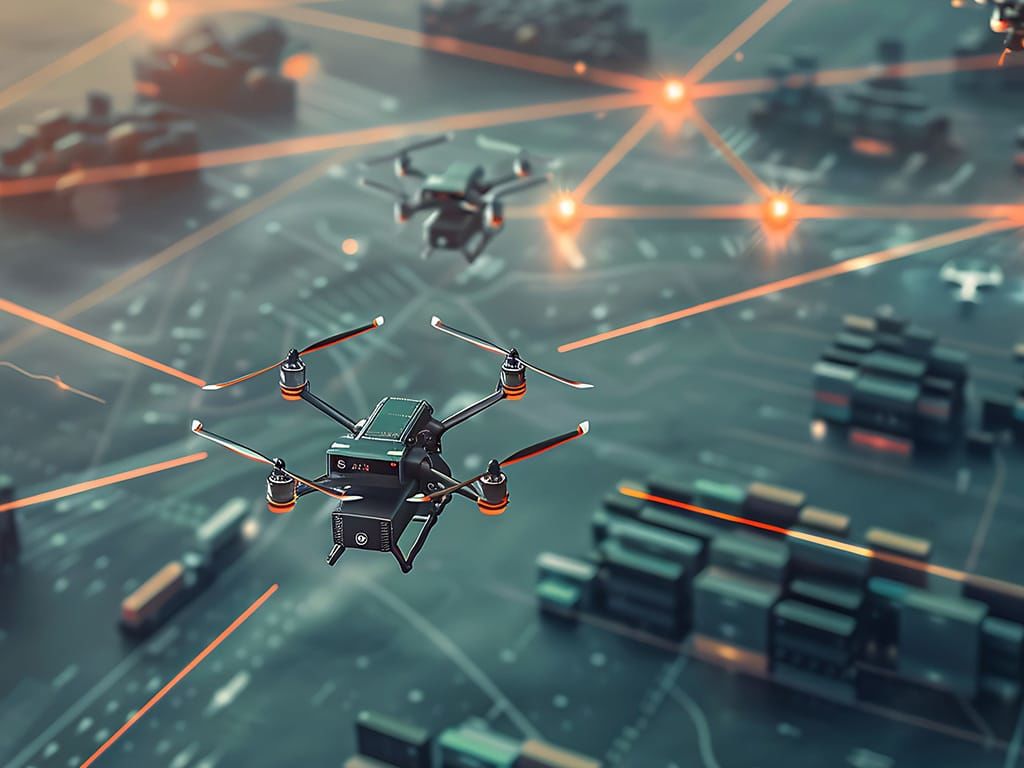
Sekolapedia – 24 July 2026 | Defense technology is currently undergoing a radical transformation, shifting away from slow, multi-billion-dollar development cycles toward rapid innovation where the humble drone plays a central role. Across major international defense exhibitions like the Farnborough International Air Show, aerospace companies and agile startups alike are showcasing autonomous attack rotorcraft, uncrewed fighter-style aircraft, and sophisticated counter-drone weapons tailored for heightened geopolitical tensions and surging military spending.
For decades, military innovation followed a predictable, albeit sluggish, path. Governments awarded massive, long-term contracts to established defense contractors, leaving new capabilities to reach the frontline years after the initial threats had evolved. Today, however, that traditional model is being upended. A new generation of startups spanning Europe, Ukraine, and Armenia is proving that nimble software development, compressed iteration cycles, and real-world battlefield validation are far more valuable than sheer corporate scale.
These smaller enterprises are rapidly building advanced robotic platforms and AI-powered systems that fundamentally alter the economics of modern warfare. By leveraging onboard artificial intelligence and cheaper components, combatants can deploy swarms or tactical units at a fraction of traditional military costs. The ongoing conflicts in Eastern Europe have served as a relentless testing ground, accelerating the deployment of specialized hardware and forcing defense supply chains to adapt to unprecedented demands for national control and resilience.
On the tactical front, the sheer scale of uncrewed aerial vehicle deployment is staggering. For instance, interceptor drone battery crews operating within active conflict zones routinely engage and neutralize dozens of fixed-wing enemy aircraft within a single day. Using specialized tactics such as mid-air ramming and targeted detonations, these defense units protect airspace from reconnaissance, fire adjustment, and weapon-targeting systems.
Key aspects defining this new era of military engineering include:
- Compressed Development Cycles: Moving from concept to battlefield deployment in months rather than years.
- AI Integration: Utilizing onboard artificial intelligence for autonomous navigation, target identification, and counter-strike operations.
- Cost-Effective Scaling: Producing affordable systems that can be rapidly replaced and deployed in high volumes.
- Decentralized Defense Supply Chains: Empowering smaller nations and regional startups to build sovereign defense capabilities.
Ultimately, the rapid evolution of autonomous aerial systems marks a permanent turning point in military history. As software-driven defense capabilities continue to outpace traditional bureaucratic procurement, armies worldwide must adapt to an agile environment where technological adaptability dictates strategic superiority.








Post Comment